Fastest Route vs. Shortest Route in Optiway: What to Choose and Why
Navigate the real‑world tug‑of‑war between fastest and shortest route logic in logistics with Optiway — learn how to apply each strategy strategically.

Route Planning
In logistics, route planning is one of those behind‑the‑scenes processes that dramatically impacts performance. At its essence, route planning involves deciding how vehicles will travel between multiple delivery points in the most logical and efficient sequence possible. This isn't simply drawing lines on a map — it's a strategic exercise that shapes delivery speed, cost, and reliability.
Modern businesses increasingly rely on smart route planning solutions like Optiway to automate and refine these decisions, especially as delivery volumes grow and customer expectations tighten.
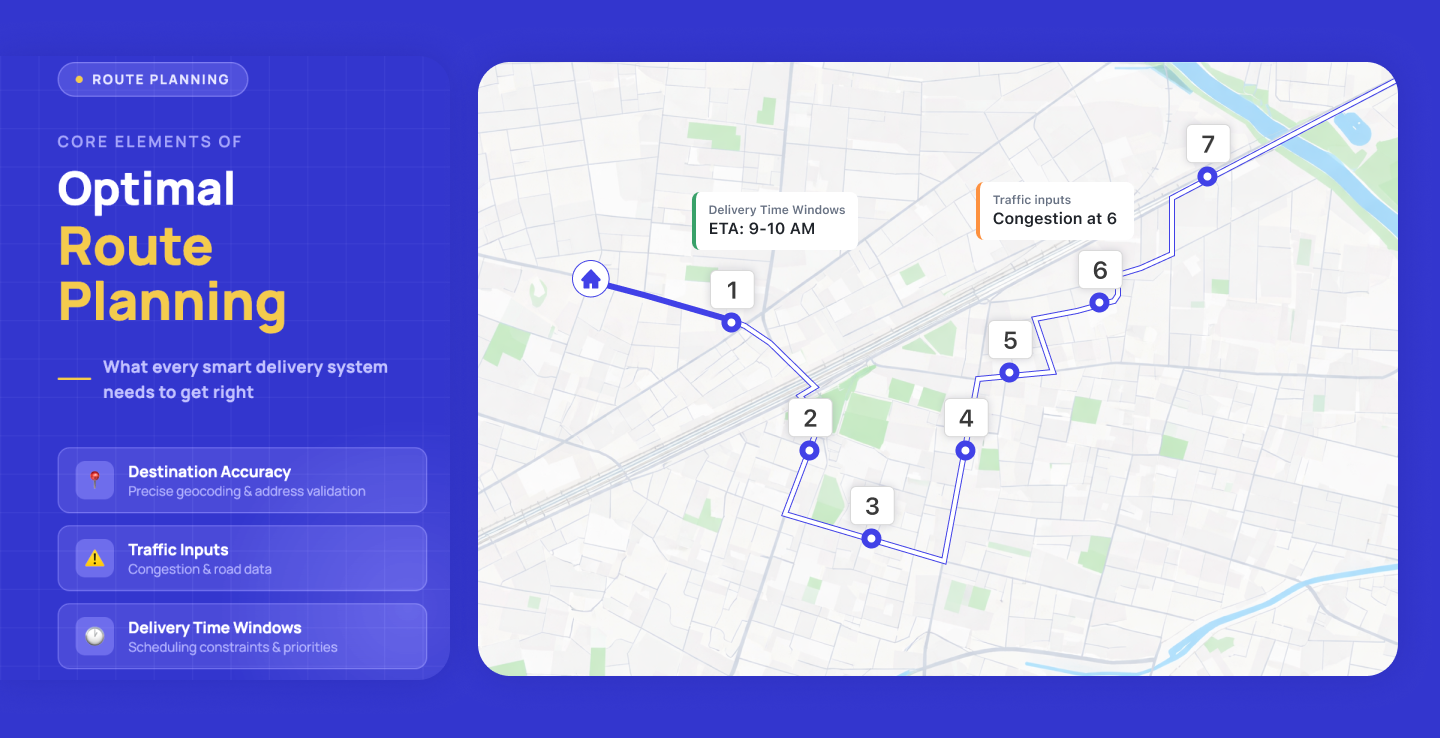
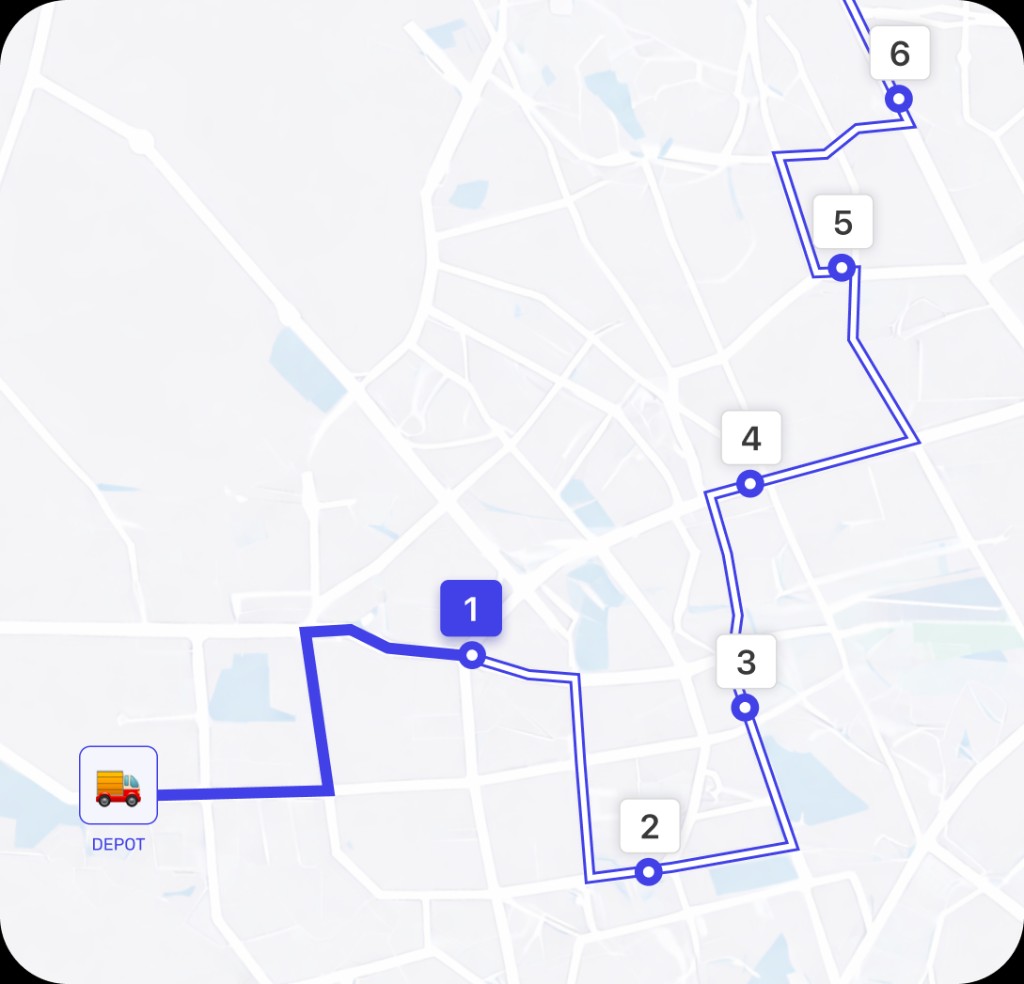
Route planning is the process of mapping multiple locations and arranging them in an order that makes sense for travel, cost, comfort and stability of the route. It involves identifying where vehicles must go and sequencing those stops intelligently so that drivers travel efficiently between them. This process is essential in logistics because it helps reduce travel times, curtail fuel consumption, and improve delivery performance for businesses operating at scale.
Route planning holds a central role in logistics because it directly impacts major business outcomes:
Real‑world use cases for route planning include last‑mile deliveries, field service operations, freight transport, and multi‑stop courier routes, where missing a delivery window or inefficient routing can mean lost revenue or customer dissatisfaction.
Any robust routing process considers a suite of factors:
Begin by gathering all the delivery points you need in your route. Validating and cleaning this data upfront prevents misrouting and ensures accuracy through the rest of the planning workflow.
Next, configure the operational constraints — time windows. These parameters guide how the route is built and optimized.
Here's where automation shines. Technologies like Optiway apply intelligent algorithms to automatically order stops, integrating traffic data and operational constraints to produce efficient routes. Manual planning without optimization is often too slow and error‑prone.
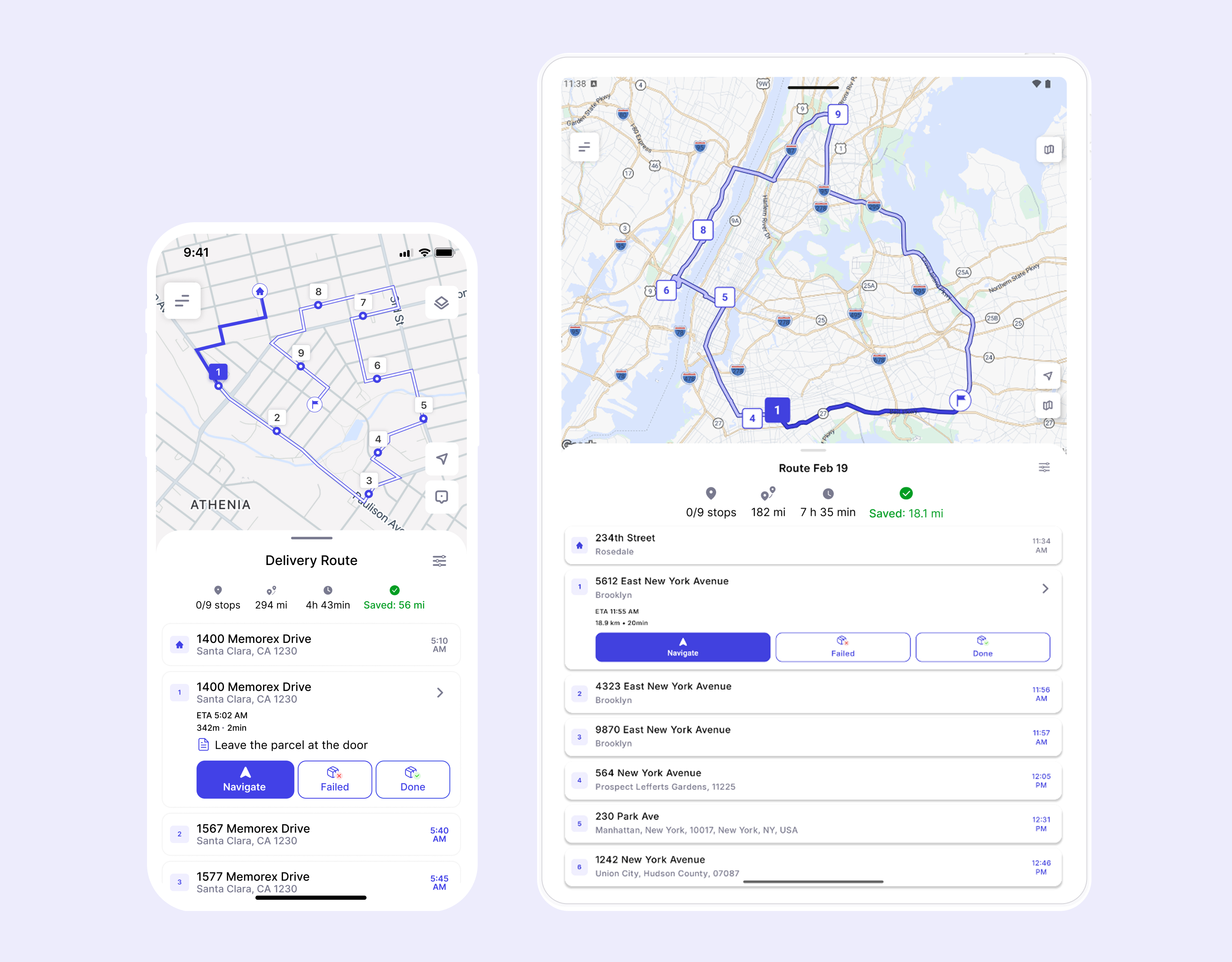
Once the route is ready, open a route → follow the stops in order using your preferred navigation app → mark each stop as Done or Failed → re‑optimize anytime plans change to stay on track.
At the simplest level, businesses sometimes start with manual tools like spreadsheets or basic navigation apps. However, these solutions are limited. Tools like Google Maps can plot multi‑stop directions, but they lack deep optimization logic and scale poorly for operational use.
Optiway simplifies route planning by removing manual bottlenecks and bringing automation to the core of the process. Its features include:
Route planning is the foundation of efficient logistics operations. By sequencing locations intelligently and factoring in key operational constraints, businesses can deliver goods more reliably and at lower cost. While basic tools can work for simple trips, growing delivery work often calls for a smarter mobile route planner like Optiway — built for individual drivers and small businesses that need faster planning, cleaner stop order, and fewer wasted miles. If you're still sequencing stops manually or juggling routes in a navigation app, it may be time to switch. Try Optiway and see how optimized routing can improve your daily runs.
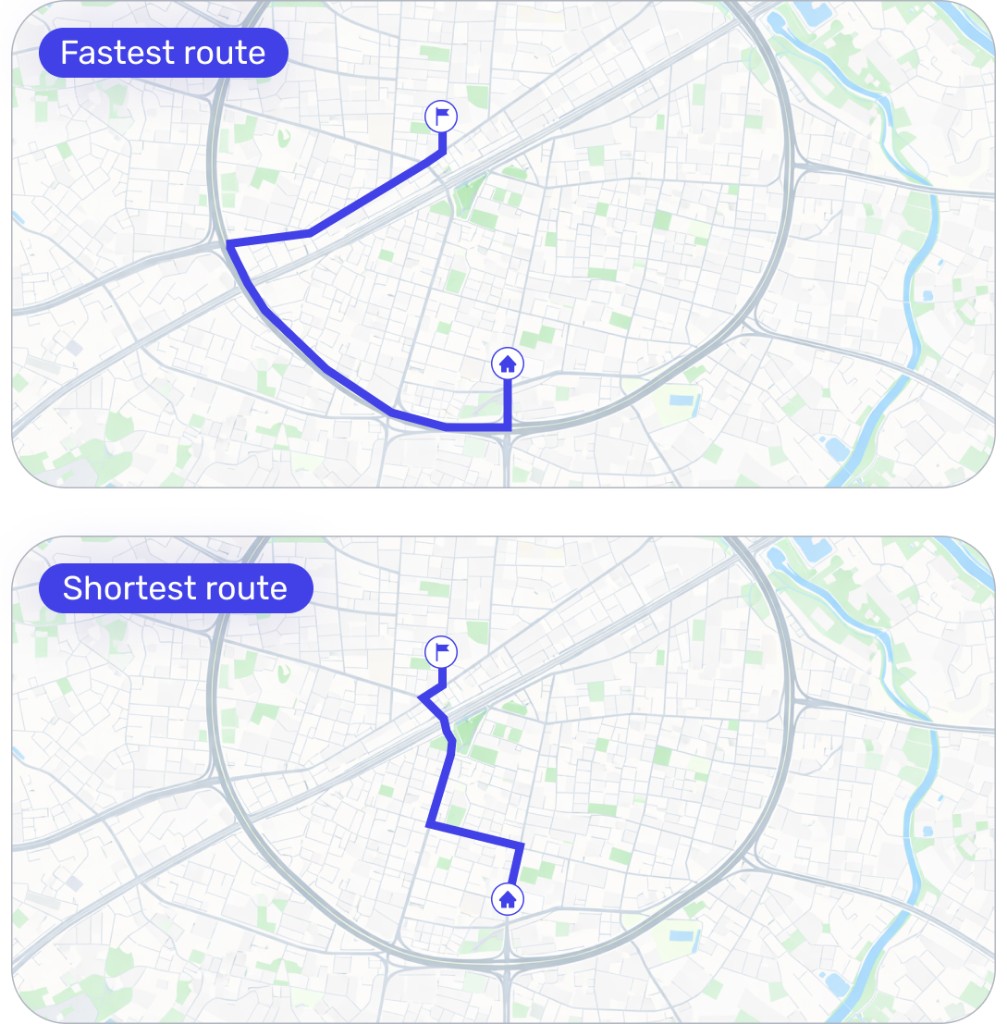
Fastest Route vs. Shortest Route in Optiway: What to Choose and Why
Navigate the real‑world tug‑of‑war between fastest and shortest route logic in logistics with Optiway — learn how to apply each strategy strategically.
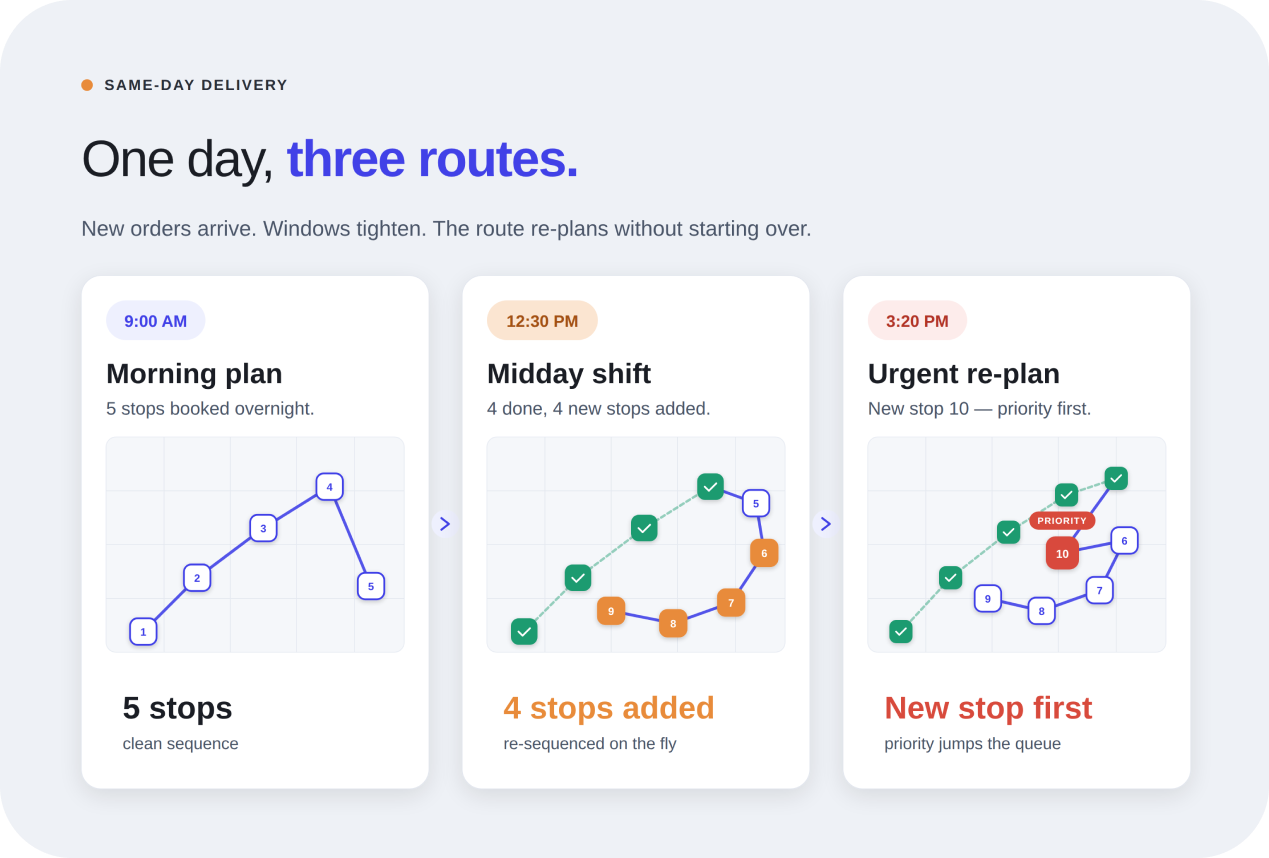
Best Route Planner App for Same Day Delivery Drivers
Same-day delivery gets messy fast when routes change by the hour. Optiway helps drivers plan smarter stops, save time, and keep ETAs under control.
Why Google Maps Falls Short for Truck Routes
Where a navigation app stops being enough for commercial multi-stop routing.
Plan, assign and track every driver — live, from one dashboard.