Best Route Planner App for Same Day Delivery Drivers
Same-day delivery gets messy fast when routes change by the hour. Optiway helps drivers plan smarter stops, save time, and keep ETAs under control.

Route Planning
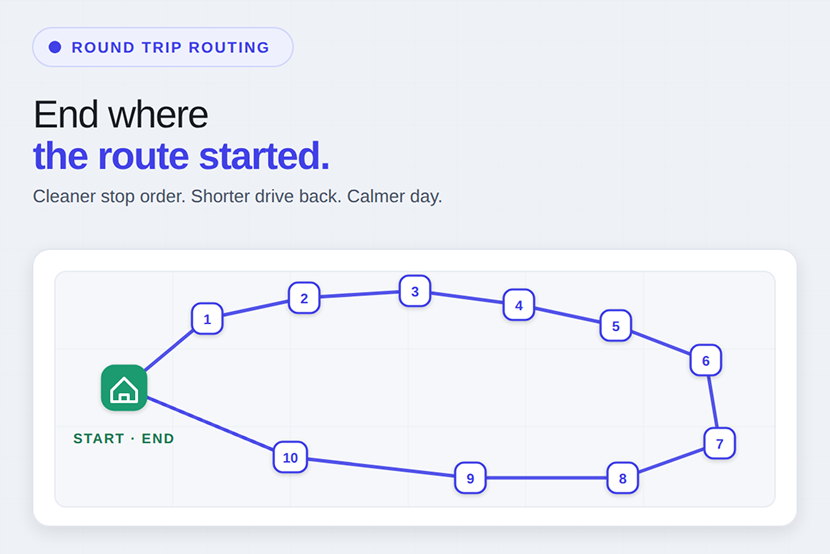
Some delivery days are not finished until the driver gets back to where the route started. That could mean returning to the store after local drop-offs, heading back to a pharmacy after prescription deliveries, or ending the day at home base after a full schedule of service stops.
When the route needs to start and finish in the same place, planning becomes a little different. The goal is to reach every stop in the right order so the full round trip makes sense. A messy route creates extra loops, wasted fuel, and a longer drive back than necessary.
This is where round trip planning becomes valuable. It ensures the route is built for the full day rather than adding stops afterward.
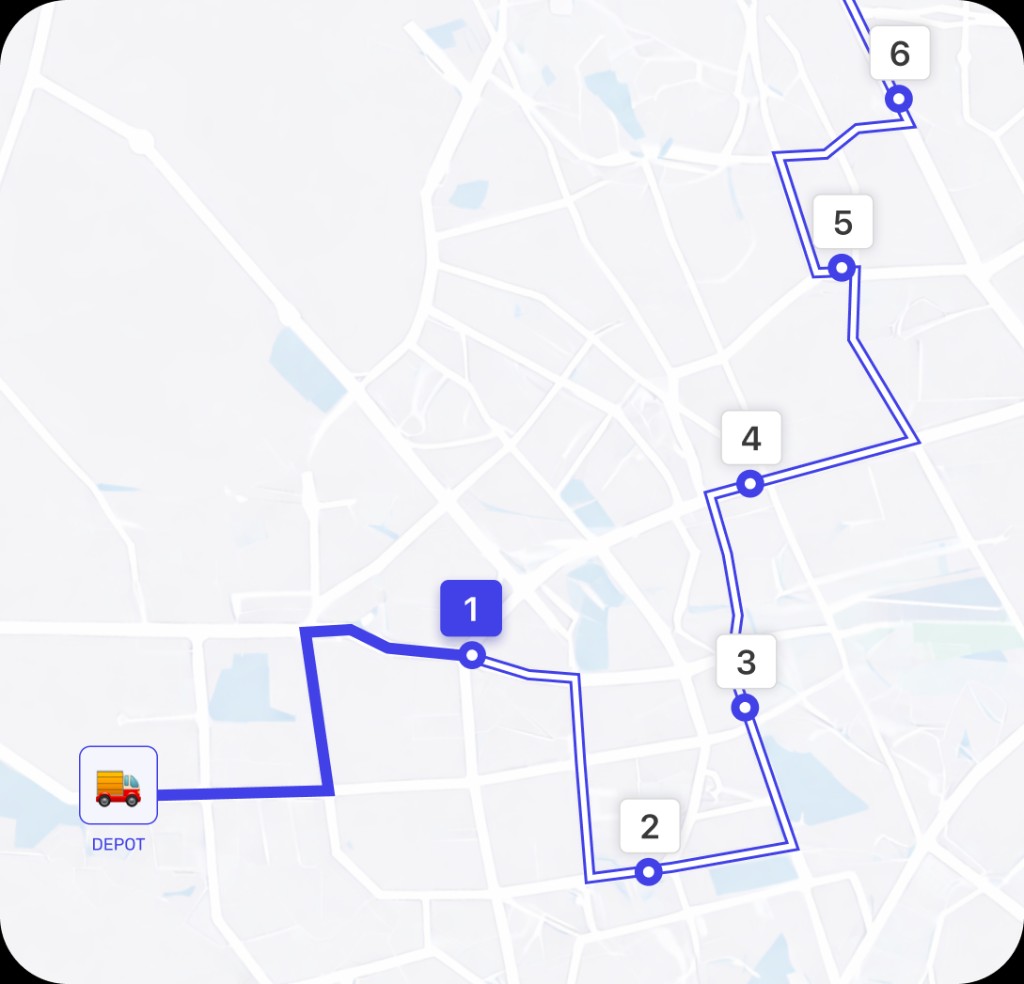
A route planner app for round trip deliveries helps drivers start from one location, complete multiple stops, and return to that same location without unnecessary detours. This is different from a simple one-way delivery route. Instead of only planning how to reach the final stop, the app helps organize the entire route, including the return trip.
For example, a florist might leave the shop in the morning, complete ten deliveries across town, and return to the shop for afternoon pickups. A pharmacy may need drivers to complete local drop-offs and return for the next batch of orders.
In both cases, the route needs to work as a full loop. A good planner improves the return to start route by ensuring the stop order supports the full trip, not just the first half.
Round trip planning matters because the day does not end at the last delivery. Drivers need to return to the shop, warehouse, office, or home base for pickups, paperwork, equipment, or simply to finish the shift.
If the route is planned poorly, the return leg becomes longer and more frustrating than it should be. That affects fuel costs, working hours, and how predictable the day feels.
A cleaner route planner with return to start helps reduce wasted miles and makes the schedule easier to manage. It also provides better control over timing, especially when multiple routes occur on the same day.
Understanding the difference between a one-way vs round trip route helps businesses choose the route shape that actually fits how they work.
Round trip routes often look simple until the day starts. Manual planning creates small problems that quickly turn into wasted time and extra driving.
Some of the most common issues include:
A strong round trip route planner app helps fix these problems by improving multi-stop route order and making the full route easier to follow.
A one-way route works best when the driver finishes near the final stop or moves directly into another area without needing to return. This is common for long-distance deliveries or flexible courier work.
A round trip route works better when the driver needs to return to the starting point. That could be for same-day pickups, recurring local deliveries, or end-of-day return requirements.
The key is choosing the route shape that matches the actual workflow. A multi stop round trip planner helps when the return matters just as much as the outward journey, especially when timing and stop-by-stop ETAs need to stay predictable.
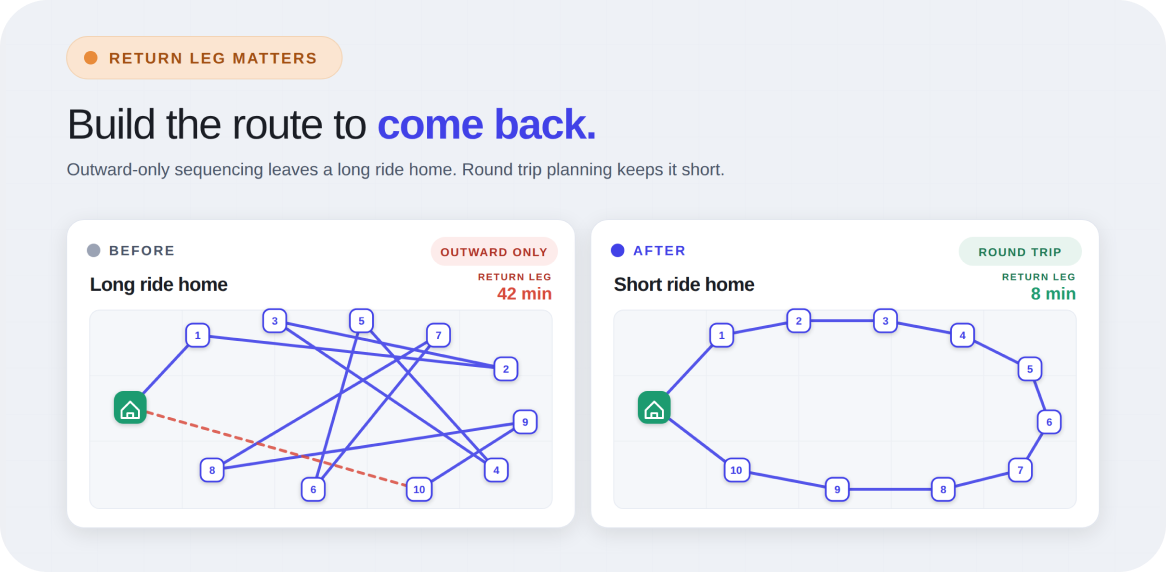
The return leg often feels harder because the route was only planned for the outward trip. Stops may look fine individually, but poor sequencing creates unnecessary backtracking that makes the final drive longer than it needs to be.
For example, if deliveries are handled in the wrong order, drivers may end up finishing far away from the return path instead of naturally working back toward home base.
Better sequencing solves this. A strong delivery route planning round trip setup organizes stops so the route flows outward and back more efficiently. That reduces delivery route backtracking, lowers fuel use, and makes the day easier to finish without rushing.
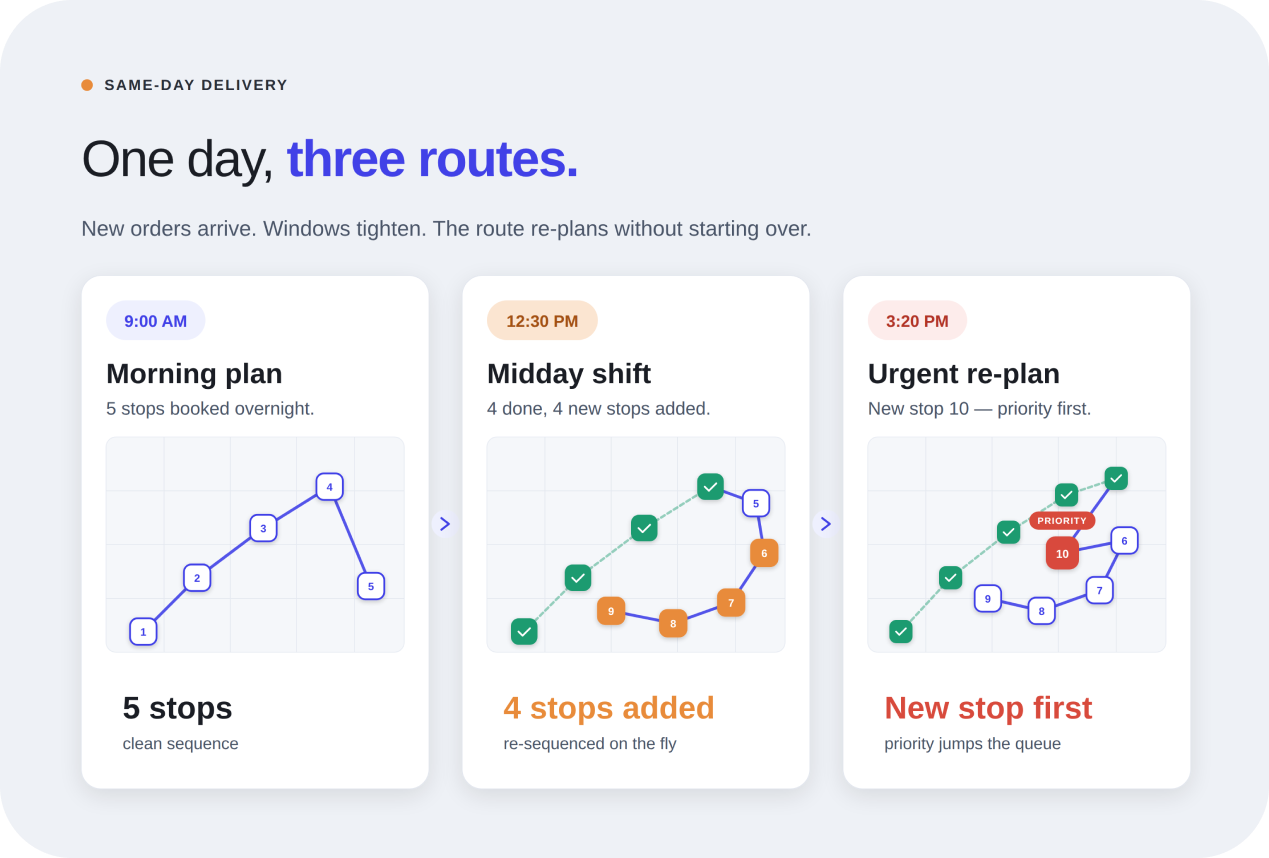
Same-day delivery drivers often work in repeated cycles, not just one long route.
A driver may complete a morning run, return for more orders, then head back out again. If the route does not end near the starting point, the next part of the day becomes harder to manage.
Return-to-start planning helps protect that rhythm. It makes pickups easier, simplifies end-of-day wrap-up, and creates a more predictable workflow when deliveries happen in batches.
Time windows matter when certain deliveries need to happen during specific hours. Stop notes matter when drivers need gate codes, apartment details, or parking instructions. ETAs matter because they help pace the day and reduce unnecessary guesswork.
Without these details, even a well-planned route becomes harder to complete.
A good route planner keeps everything connected. Stops are not just points on a map, but they include the information needed to complete them smoothly. That makes the route easier to follow and helps protect the timing of every stop that comes after.
Google Maps is useful for navigation, but round trip delivery work usually needs more than directions.
Once multiple stops are involved, drivers need better sequencing, easier route editing, and a clearer way to plan the full loop. Manually entering stops and trying to force the return leg into a basic map app quickly becomes frustrating. It works for a few deliveries, but not for repeated daily routes where timing matters.
That is usually the point where people start searching for a dedicated planner. Not because they need another map, but because they need less manual work around the map.
Not every route planner handles round trip work well. The right tool should make the entire route easier to build and finish.
Look for practical features like:
A good round trip planner should feel easier than manual planning from day one.
Optiway helps local delivery businesses plan the full route. It makes round trip delivery routes cleaner by improving stop orders, reducing wasted driving, and helping drivers return to their starting points without unnecessary loops.
That means less time spent rebuilding routes manually and more time focused on deliveries that move the business forward. It is especially useful for pharmacy runs, local service routes, same-day delivery cycles, and any workflow where returning to the starting point is part of the job.
Read this Route Planner App for Field Service and Home Service Technicians guide on how one-way and round trip planning work in real daily operations.
Best Route Planner App for Same Day Delivery Drivers
Same-day delivery gets messy fast when routes change by the hour. Optiway helps drivers plan smarter stops, save time, and keep ETAs under control.
Delivery Route Planner App to Save Fuel and Drive Time
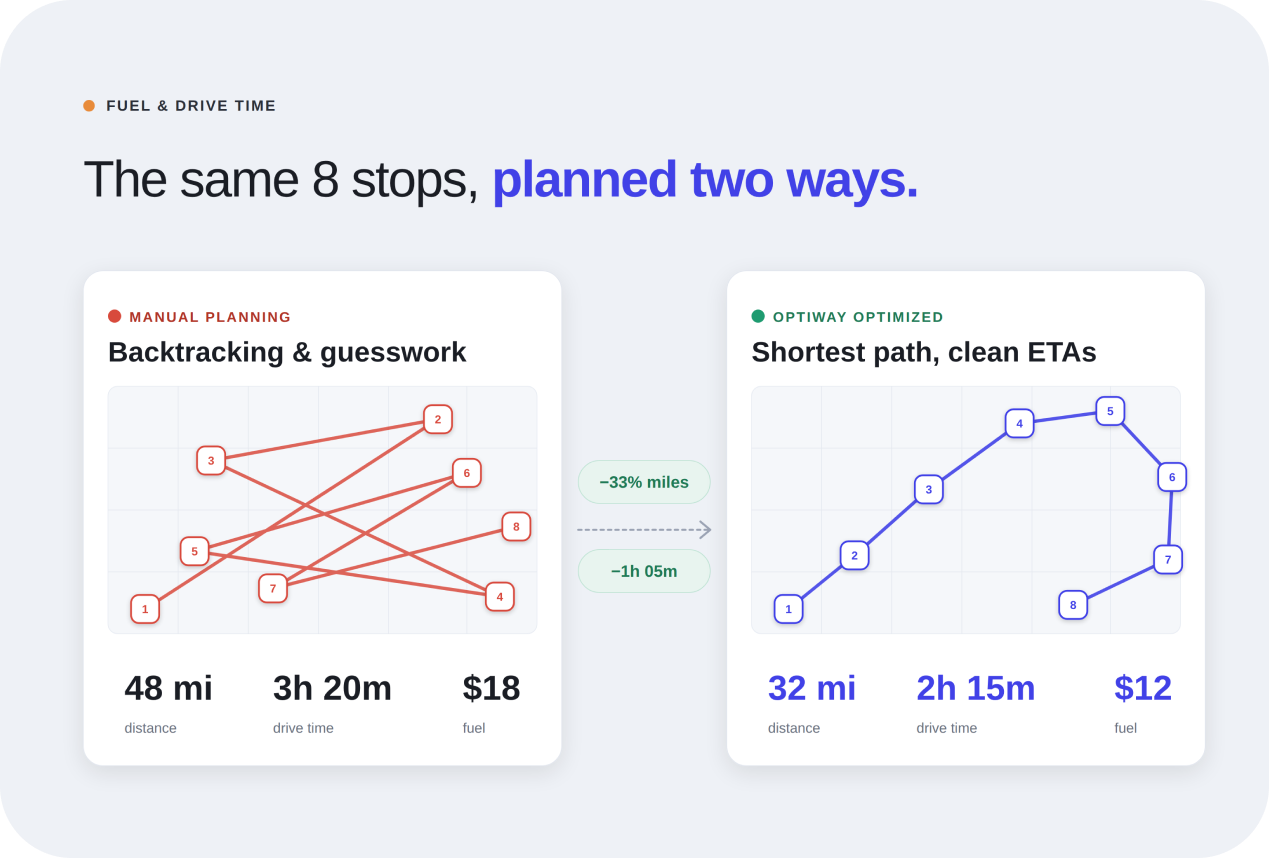
Optiway helps delivery teams plan tighter routes, spend less on fuel, and get more done in fewer driving hours — every wasted mile adds up fast.
Why Google Maps Falls Short for Truck Routes
Where a navigation app stops being enough for commercial multi-stop routing.
Plan, assign and track every driver — live, from one dashboard.